

Why Internal Brand Experience Is Market Preparation
Perspective · June 2026
By Darryl Monks
Brands often spend enormous time and energy thinking about the customer experience, from the campaign and the launch to the retail moment, sales presentation, content strategy and consumer journey. But before a brand reaches the market, it has already met its first audience.
Its own people.
Internal teams are often the first to hear the strategy, understand the product, experience the positioning and carry the message into the world. They are the people who sell, present, recommend, explain, service, defend and represent the brand in everyday interactions.
That is why internal brand experience should never be treated as staff entertainment. It is market preparation.
At Monks Media, we believe the strongest internal experiences are designed to do more than gather people in a room. They are built to create alignment, energy and confidence. They help employees understand what the brand stands for, what the product offers and how their individual role contributes to the larger commercial picture.

Internal experiences should help teams connect with the values, stories and product knowledge they take into market.
The goal is always the same, to ensure internal teams are excited, informed and equipped with as much brand and product knowledge as possible, so they can play their part in taking the product to market.
For Beiersdorf South Africa, this thinking shaped a series of internal brand experiences, from annual conferences and product launches to interactive product education tools, internal wellness days, digital first communication thinking and the redesign of the head office during Covid, in conjunction with a more sustainable back to work model.
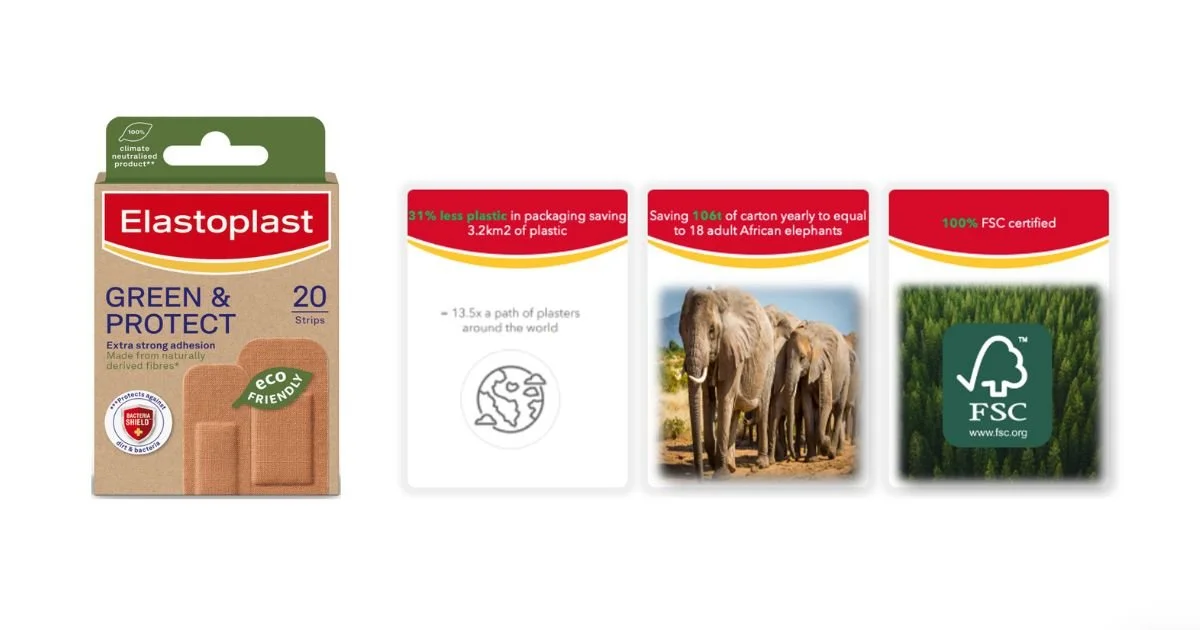
Product and sustainability messaging translated into a pack of playing cards for internal Beiersdorf South Africa teams.
Each project had its own format, but the strategic principle remained consistent. When internal teams understand the brand more clearly, they represent it more confidently.
This became especially relevant during Covid, when traditional engagement models were disrupted and businesses needed to think more carefully about how teams connected, communicated, worked and sold. Digital visibility, internal communication, online sales support and meaningful workplace design became more important than ever.
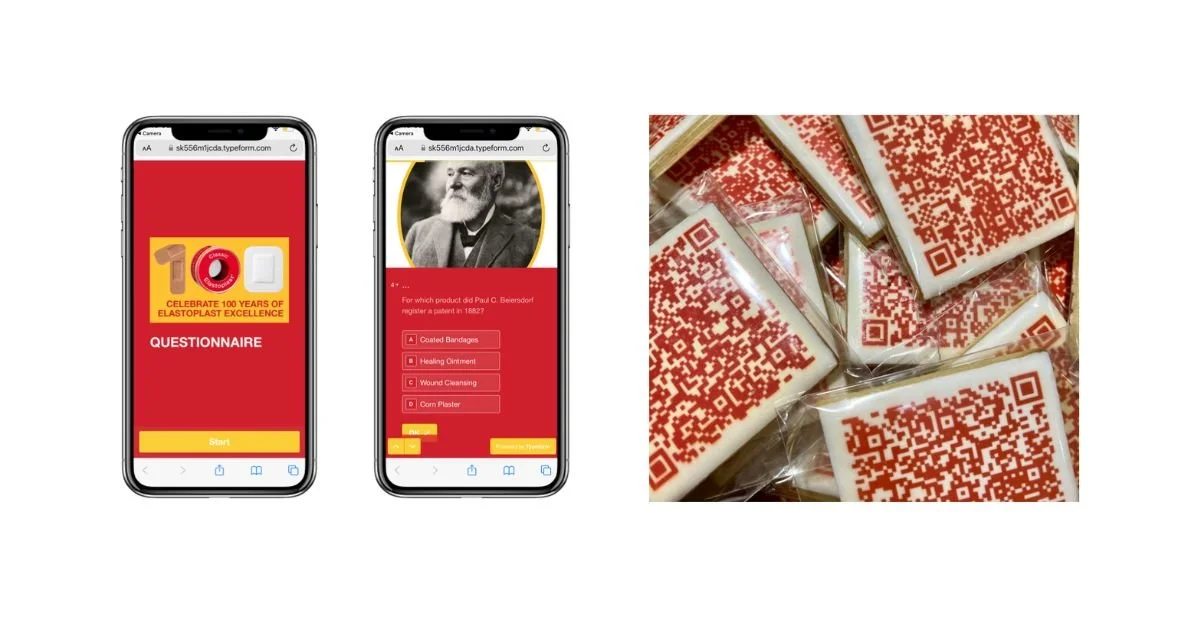
Digital first engagement tools helped product knowledge travel beyond the room.
The lesson still holds. Internal experience is not separate from brand strategy. It is one of the first places where brand strategy becomes real.
A product launch is stronger when the sales team understands the story behind it. A campaign lands better when employees know why it matters. A workplace performs better when it reflects the values of the business. A brand grows more consistently when the people inside it feel informed, connected and proud.
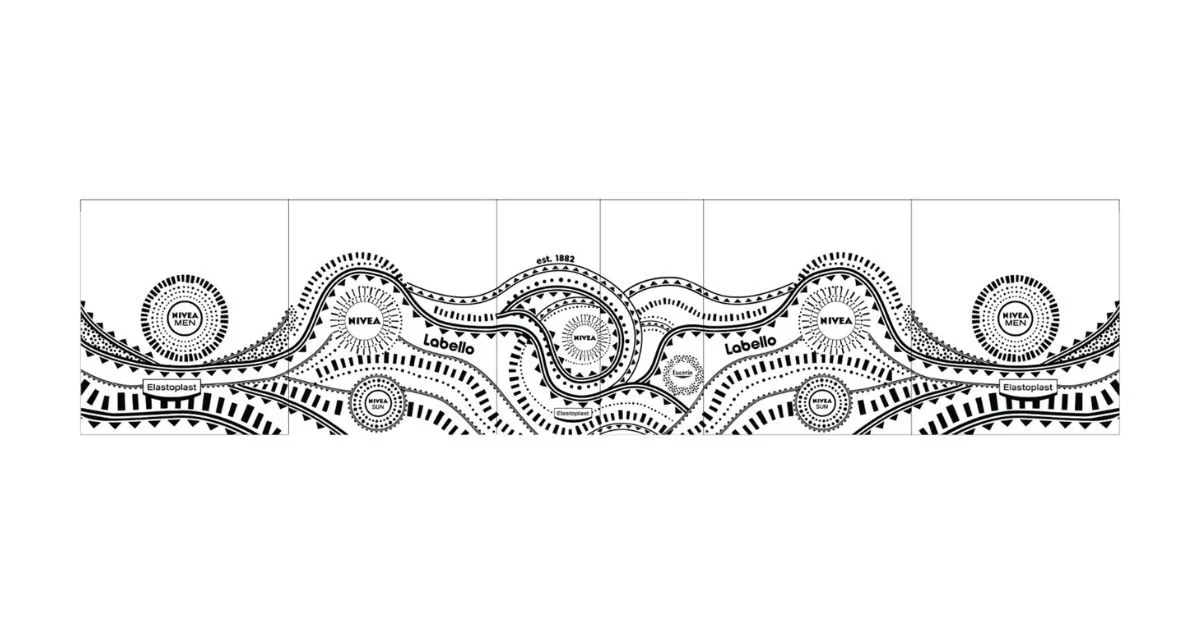
The internal brand experience extended into the workplace, turning the office environment into a daily expression of brand culture.
This is where experiential thinking becomes powerful. It turns information into feeling. It turns strategy into memory. It turns employees into more confident brand representatives.
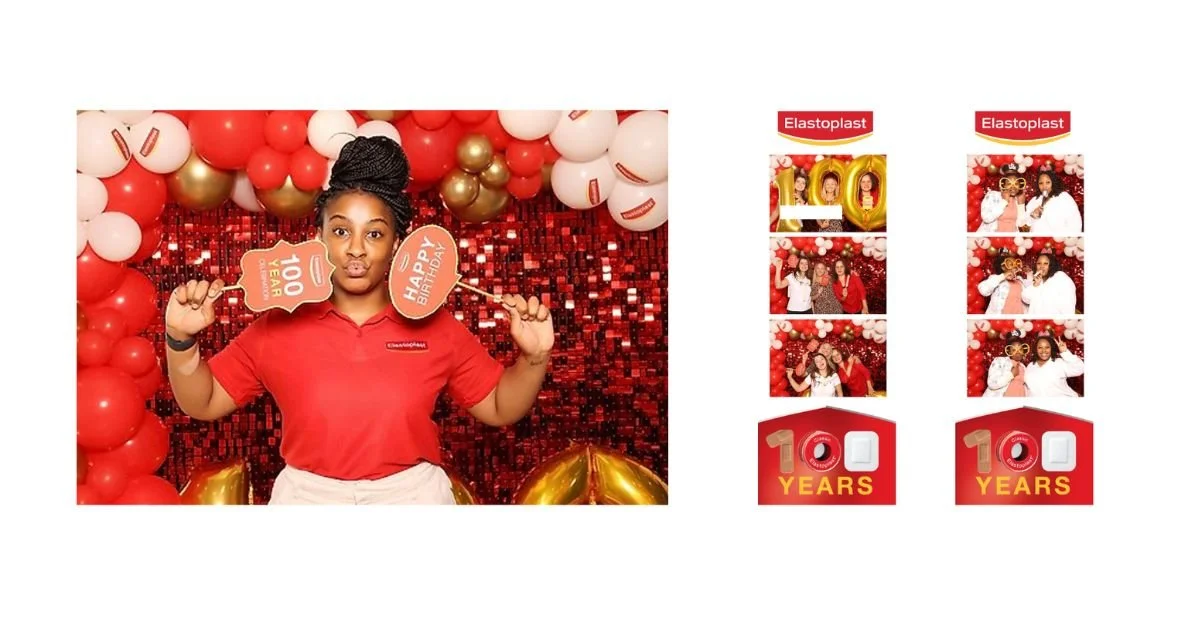
Milestone moments and product stories brought to life through shareable internal experiences.
For businesses, the commercial value is clear.
An aligned team can sell with more conviction. An informed team can answer with more authority. An excited team can carry the brand with more authenticity. A connected team can help move the business forward.
That is why internal brand experience should be planned with the same care as any consumer facing campaign. Because the customer experience does not begin with the customer.
It begins with the people inside the business.
These projects were developed in collaboration with and powered by Matriarch Marketing.